The Rise of Hair Sculpting: Creative Techniques Every Stylist Should Know

Cortiva Institute


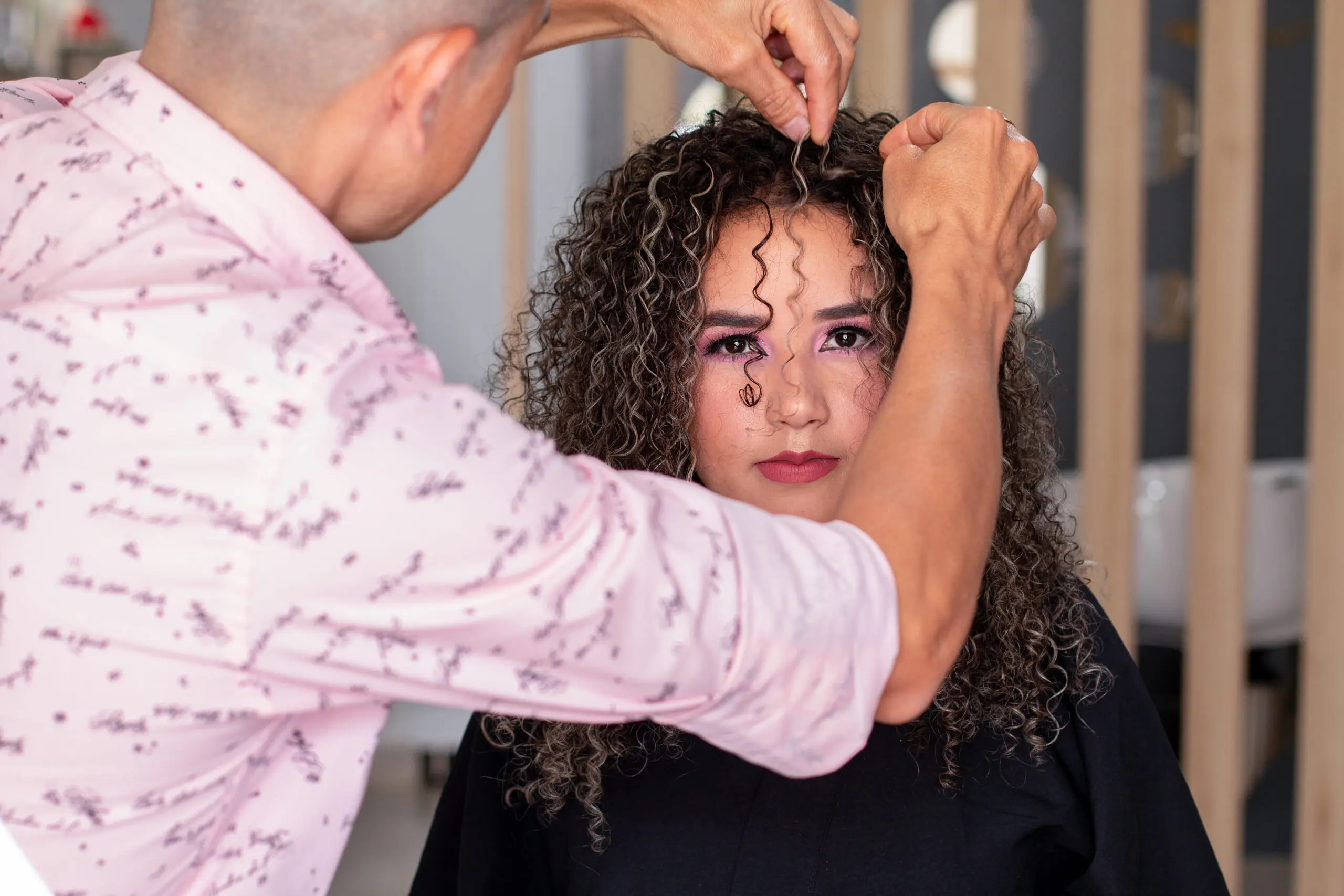
- Explore innovative modern hairstyling methods shaping the beauty industry.
- Learn essential hair sculpting techniques for achieving bold, artistic styles.
- Discover advanced hair styling tips to stay ahead in the evolving beauty industry.
Hair styling has always been an art form, but today’s stylists are taking it to the next level with hair sculpting techniques that push creative boundaries. With a growing emphasis on artistic expression, hairstylists are using structure, texture, and movement to transform hair into wearable art. Whether you’re a seasoned stylist or a student eager to refine your craft, understanding these modern hairstyling methods can set you apart in the industry.
In this article, we’ll explore the evolution of creative hairstyling trends, essential hair sculpting techniques, and advanced hair styling tips to help stylists elevate their work.
What Is Hair Sculpting?
Hair sculpting is the process of shaping and molding hair into structured, artistic forms. Unlike traditional hairstyling, which focuses on cuts and layers, sculpting is about creating defined shapes, intricate textures, and gravity-defying looks. These modern hairstyling methods involve precision cutting, advanced styling products, and innovative techniques that push the limits of hair design.
Essential Hair Sculpting Techniques
For stylists looking to incorporate hair sculpting techniques into their repertoire, mastering key methods is essential. Here are a few fundamental techniques that every stylist should know:
- Structural Cutting
Unlike basic layering, structural cutting is about creating strong, defined shapes. This technique often involves cutting at unique angles to sculpt the hair into geometric or fluid forms. The goal is to create a solid foundation for sculpted styles that hold their shape.
- Thermal Molding
Heat styling tools play a crucial role in modern hairstyling methods. Thermal molding involves using curling irons, flat irons, and heat-based rollers to shape hair into precise waves, curls, or architectural designs. Stylists can use heat to bend and reshape hair into avant-garde styles that last.
- Product Sculpting
The right products can turn a simple style into a sculpted masterpiece. Texturizing sprays, strong-hold gels, and molding pastes allow for intricate designs with staying power. For voluminous sculpted styles, mousse and root lifters help create height and structure.
- Braiding and Twisting for Shape
Braiding isn’t just for traditional styles—it’s a core component of hair sculpting techniques. Complex braiding patterns, such as infinity braids or 3D braids, can add sculptural texture to an overall design. Twisting techniques also allow stylists to manipulate hair into unique forms without excessive product use.
- Gravity-Defying Updos
For editorial or runway styles, creating height and structure is key. Pinning, backcombing, and using supportive forms (such as wire or mesh) help stylists sculpt dramatic updos that remain intact. These styles are often featured in high-fashion hairstyling and require a combination of precision and creativity.
Creative Hairstyling Trends Shaping the Industry
The beauty industry is continuously evolving, and today’s creative hairstyling trends reflect bold, artistic influences. Here are some of the latest trends making waves:
- Futuristic Sculpting – Sleek, structured styles with a high-shine finish, often incorporating metallic or iridescent elements.
- Retro Revival – Sculpted waves and exaggerated volume inspired by vintage hairstyles from the ’60s and ’70s.
- Sculpted Pixie Cuts – Short, highly textured cuts with bold angles and defined shapes.
- Nature-Inspired Styling – Organic shapes, braids, and twisted elements that mimic natural patterns, like vines and waves.
- Avant-Garde Hair Art – High-fashion sculpted styles seen on runways, featuring intricate designs, exaggerated volume, and unexpected shapes.
By staying ahead of creative hairstyling trends, stylists can experiment with bold looks and offer clients fresh, cutting-edge designs.
Advanced Hair Styling Tips for Sculpting Success
Mastering hair sculpting techniques requires more than just creativity—it demands precision, patience, and expert execution. Here are some advanced hair styling tips to take your sculpting skills to the next level:
- Understand Hair Texture – Different hair types respond uniquely to sculpting. Fine hair may require extra product support, while coarse hair may hold structure naturally.
- Invest in Quality Tools – High-performance shears, heat styling tools, and strong-hold products make a significant difference in sculpting success.
- Layer Products Strategically – Combining lightweight and strong-hold products ensures that styles stay in place without feeling heavy or sticky.
- Refine Your Cutting Techniques – Precision cutting is the foundation of any sculpted look. Practicing structured cuts will improve your ability to shape hair with accuracy.
- Experiment and Innovate – The best sculpted styles come from experimenting with new techniques and breaking traditional styling rules.
Modern Hairstyling Methods in Professional Training
For aspiring hairstylists, formal education is essential for mastering modern hairstyling methods. At Cortiva Institute, students receive hands-on training in advanced techniques, learning the science behind sculpting hair while developing their own artistic style.
By enrolling in a professional program, stylists gain the knowledge and experience needed to excel in this evolving industry. From salon styling to high-fashion editorial work, mastering hair sculpting techniques opens doors to endless creative possibilities.
Final Thoughts
The rise of hair sculpting is redefining the beauty industry, offering stylists an opportunity to explore their artistry in new and exciting ways. By incorporating creative hairstyling trends, practicing advanced hair styling tips, and mastering modern hairstyling methods, professionals can elevate their work and create stunning, sculpted looks for clients.
Ready to take your hairstyling skills to the next level? Learn more about training programs at Cortiva Institute.