How Massage Therapy Supports Injury Recovery and Physical Therapy

Cortiva Institute


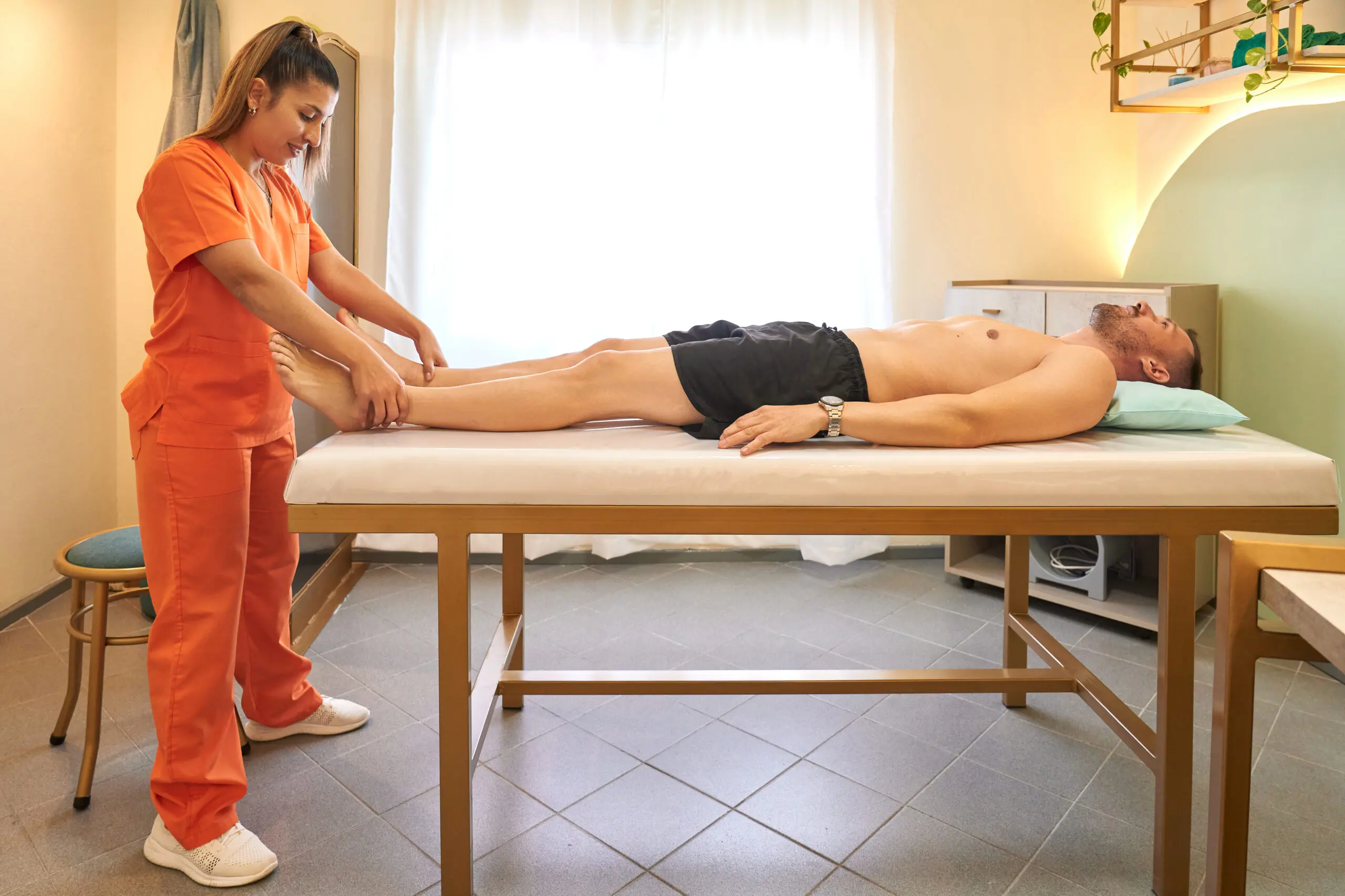
- Learn how massage for injury recovery improves flexibility and reduces pain.
- Discover the role of physical therapy and massage in injury rehabilitation.
- Effective injury recovery massage techniques promote healing and muscle function.
Injury recovery can be a complex process, often requiring a blend of physical therapy and massage to restore function and mobility. Massage therapy for healing is particularly beneficial when integrated with physical therapy, helping to reduce pain, promote flexibility, and improve circulation, which in turn accelerates the body’s natural healing processes. In this guide, we’ll explore the benefits of massage for injury recovery, the connection between physical therapy and massage, and essential injury recovery massage techniques that can support a quicker, more effective rehabilitation.
Why Massage for Injury Recovery Is Effective
When recovering from an injury, it’s essential to focus on minimizing inflammation, restoring range of motion, and gradually rebuilding muscle strength. Massage therapy for healing accomplishes this by targeting the specific tissues affected, breaking down adhesions, and promoting blood flow. This combination of benefits makes massage an excellent tool for pain relief and increased flexibility, both of which are critical for a full recovery.
Reducing Inflammation: Injury often causes inflammation in muscles, tendons, and ligaments. Massage helps to drain excess fluid from the injured area, reducing swelling and easing discomfort. Techniques like lymphatic drainage gently move fluid through the lymphatic system, speeding up the reduction of swelling.
Improving Circulation: Increased blood flow is vital to the healing process, as it brings oxygen and nutrients to the damaged tissues while removing waste products. Massage stimulates blood flow in targeted areas, providing nutrients to aid in tissue repair and encouraging faster recovery.
How Physical Therapy and Massage Work Together
Physical therapy and massage complement each other, each playing a unique role in the recovery process. Physical therapy emphasizes exercises that build strength and stabilize the injured area, while massage helps to alleviate pain, enhance flexibility, and support relaxation, which is often necessary for effective rehabilitation.
- Supporting Muscular Recovery: Physical therapy exercises can sometimes cause soreness or tightness as muscles adapt to new activity levels. Massage provides relief from this soreness, loosening tight muscles and improving muscle recovery post-exercise. For example, a therapeutic massage can relax the muscles around an injured knee, improving flexibility and preparing it for strengthening exercises.
- Enhancing Joint Mobility: Many injuries involve joint stiffness, particularly after long periods of immobilization. Injury recovery massage techniques, such as myofascial release, work by releasing tension in the connective tissues, helping to restore joint mobility and range of motion.
- Mental and Physical Relaxation: A key benefit of physical therapy and massage combined is relaxation, which is often underestimated in its importance to recovery. Massage reduces stress, improves sleep quality, and calms the nervous system, all of which are beneficial for physical healing. When the body and mind are relaxed, muscle tension decreases, creating a more favorable environment for healing.
Effective Injury Recovery Massage Techniques
To maximize the benefits of massage therapy for healing, specific injury recovery massage techniques are used to target different aspects of injury rehabilitation. Here are some of the most effective methods:
1. Deep Tissue Massage: Deep tissue massage works on the deeper layers of muscle and connective tissue. This technique is ideal for breaking down scar tissue and adhesions that can restrict movement after an injury. It requires skilled application to avoid aggravating the injury, making it crucial for professionals to be trained in massage for injury recovery.
2. Myofascial Release: Myofascial release targets the fascia, the connective tissue that surrounds muscles and other structures in the body. Injuries can cause the fascia to become tight, which restricts movement and can lead to pain. By gently stretching and massaging these tissues, myofascial release helps improve flexibility and range of motion.
3. Trigger Point Therapy: Trigger points, or “knots” in the muscle, are common after an injury and can create additional pain or restrict movement. Trigger point therapy targets these areas of tension, reducing pain and restoring normal muscle function. It’s a particularly effective technique for athletes recovering from strains or sprains.
4. Cross-Fiber Friction Massage: This technique involves applying pressure perpendicular to the muscle fibers, which can help prevent scar tissue from forming incorrectly. Cross-fiber friction massage is beneficial for tendon and ligament injuries, as it encourages the collagen fibers to lay in alignment with the muscle, promoting stronger tissue repair.
The Importance of Customization in Massage Therapy for Healing
Every injury is unique, and massage for injury recovery must be tailored to each individual’s needs, whether they’re dealing with a sports injury, a chronic condition, or post-surgery recovery. Skilled massage therapists understand how to adjust pressure, duration, and frequency of treatments based on the client’s stage of recovery and specific injury type. This customization is essential for achieving optimal results and avoiding setbacks.
Assessing Client Needs: A comprehensive assessment of the client’s injury, pain levels, and physical limitations guide the selection of appropriate injury recovery massage techniques. This approach ensures that each massage is designed to support the client’s goals, whether it’s reducing pain, increasing mobility, or preparing for more intensive physical therapy exercises.
Communication with Healthcare Providers: In many cases, working with a physical therapist or physician can further improve outcomes. Massage therapists who understand physical therapy and massage dynamics can coordinate with other healthcare providers, ensuring that the massage techniques used align with the overall recovery plan.
Massage therapy for healing is a valuable part of injury recovery, offering targeted techniques that reduce pain, enhance flexibility, and improve circulation. By combining physical therapy and massage, clients can achieve better recovery outcomes, making massage a critical part of many rehabilitation programs.
If you’re interested in learning injury recovery massage techniques and how to support clients through their recovery journey, Cortiva’s programs provide in-depth training to help you become a skilled professional in the field. Contact us today to learn more about how you can start your journey in therapeutic massage.